
Safe Online Games Earnings
Description
Millions of people play video games every day, and a growing number of them want to turn that time into income. The idea sounds simple, but the internet is full of fake apps, rigged tournaments, and “easy money” promises that drain wallets instead of filling them. Safe online games earnings come from knowing which methods pay, which platforms deserve trust, and which warning signs mean you should walk away.
This guide covers seven legitimate ways to earn money playing games, the red flags that mark a scam, a safety checklist you can use today, and the basics of taxes and realistic income. Read it before you download anything, deposit anything, or share any personal details.
What Are Safe Online Games Earnings?
Safe online games earnings are payments you receive from online gaming activities through transparent, verifiable, and lawful channels. A safe method has four traits:
- Clear terms. The platform explains how it pays you, how much, and when.
- No upfront fees. You never pay a “registration,” “unlock,” or “withdrawal” charge to receive your own money.
- Verifiable company. The business has a real address, a track record, and public reviews from independent sources.
- Secure payments. The platform uses recognized processors such as PayPal, bank transfer, or established gift card providers.
A method that fails any of these tests deserves suspicion. Real income from gaming exists, but it rewards skill, consistency, and patience. It does not reward people who click a flashy ad and deposit money.
1. Esports and Online Tournaments
Esports offers the most direct path from gameplay to a paycheck. Players compete in titles such as Valorant, League of Legends, Counter-Strike 2, Dota 2, and mobile games like PUBG Mobile and Free Fire. Prize pools range from a few dollars in community cups to millions at international events.
To start safely, join tournaments run by established organizers. Look for events listed on official game publisher pages, recognized leagues, or well-known platforms with public rules and past winners. Read the prize distribution rules before you register, and confirm how the organizer pays winners.
Most tournaments charge no entry fee, or only a small one. Treat any event that demands a large buy-in with caution, and never enter a competition that guarantees profit.
Competitive play also demands real practice. Most players earn nothing for months. Treat tournaments as a skill-building path first and an income source second.
2. Streaming and Content Creation
Game streaming lets viewers support you directly through subscriptions, donations, and advertising revenue. Platforms such as Twitch, YouTube Gaming, and Kick give creators tools to monetize an audience.
Income arrives through several channels:
- Channel subscriptions and memberships
- Viewer donations and tips
- Advertising revenue shares
- Sponsorships and affiliate links
- Merchandise sales
Growth takes time. Most streamers need a consistent schedule, a clear niche, and a personality viewers enjoy. Pick a game you love and a style that fits you, whether that means skilled gameplay, comedy, tutorials, or relaxed conversation.
Stay safe by using only official platform features to receive money. Never accept payment through a stranger’s private link, and never share your stream key or account password with anyone who offers “growth services.” Fake sponsors regularly target new creators, so verify every brand deal by contacting the company through its official website.
3. Game Testing and Quality Assurance
Game studios hire testers to find bugs before release. Game testing pays real wages at professional studios, and some companies run paid playtest programs for ordinary players.
Legitimate testing work usually appears on company career pages, established job boards, and respected freelance marketplaces. The work involves repeating tasks, documenting errors, and writing clear reports. It rarely feels like pure play, but it offers a foot in the door of the industry.
Beware of any “tester” listing that asks you to pay for training, software, or a certificate before you start. Real studios pay testers. Testers do not pay studios.
4. Coaching and Skill-Based Services
Skilled players can sell their knowledge. Game coaching pairs experienced players with learners who want to improve rank, aim, strategy, or team communication. Coaches charge by the hour, and rates depend on rank, reputation, and the game.
Build a profile on a trusted marketplace or your own social channels. Show your rank, share sample VOD reviews, and collect testimonials. Agree on price and schedule in writing, and use platforms that hold payment until the session finishes.
Avoid “boosting,” where one player logs into another player’s account to raise its rank. Most publishers ban this practice, and it often puts both accounts at risk of permanent suspension. Coaching teaches skills and carries no such risk.
5. Rewards Apps and Paid Game Surveys
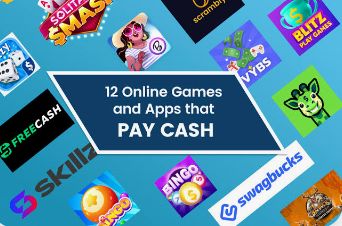
Rewards apps pay small amounts for playing games, reaching levels, or testing new titles. Payouts usually arrive as gift cards or PayPal credit. Income stays low, often a few dollars per week, so treat these apps as a bonus rather than a salary.
Check these points before you install one:
- Read the app store reviews, especially the one-star and two-star reviews.
- Search the company name with the word “scam” or “payment proof.”
- Review the permissions the app requests. A simple puzzle game does not need access to your contacts or messages.
- Confirm the payout threshold. Some apps set the minimum so high that most users never reach it.
Use a separate email address for these apps. It keeps spam away from your main inbox and limits the damage if the company leaks data.
6. Play-to-Earn and In-Game Economies
Play-to-earn games reward players with digital tokens, collectibles, or in-game currency that carry real-world value. The category attracted huge attention, and it also produced some of the biggest losses in gaming. Many projects collapsed when new players stopped arriving, and token prices crashed.
Approach this category with extra care:
- Never invest money you cannot afford to lose.
- Research the development team. Anonymous teams carry more risk.
- Check whether the project has a working game or only a website and a roadmap.
- Avoid projects that promise fixed daily returns. Real games cannot guarantee them.
- Use hardware wallets and official links only. Phishing sites copy popular project pages to steal wallet access.
Some established games also let players trade items through official, publisher-approved marketplaces. Stick to those official systems. Third-party sites that buy and sell accounts or items frequently violate the game’s rules and attract fraudsters.
7. Game Development, Modding, and Creative Work
Not every gaming income stream involves playing. Creators earn money by building mods, designing skins, writing guides, composing music, producing artwork, and editing videos. Several games run official creator programs where publishers share revenue from community-made items.
This route builds durable skills. A modder who learns scripting can grow into a developer, and a video editor can serve dozens of streamers. Offer your services through professional portfolios, game communities, and established freelance platforms. Always agree on payment terms before you deliver the work.
Red Flags: How to Spot Online Gaming Scams
Online gaming scams follow patterns. Learn the patterns and you will catch most of them early.
Upfront payment demands. Real platforms pay you. Scammers ask for “activation fees,” “tax deposits,” or “verification charges” before they release winnings. If someone asks you to pay to get paid, stop.
Guaranteed profits. No legitimate game guarantees income. Promises such as “earn $500 a day with no skills” signal fraud.
Pressure and urgency. Countdown timers and “last spot available” messages push you to act before you think. Honest companies let you take your time.
Unofficial contact channels. Scammers move conversations to private messaging apps and avoid official support systems. They also impersonate famous streamers, publishers, and platform staff.
Suspicious links and downloads. Fake giveaways often hide malware or credential stealers behind a download button. Never run files from unknown senders, and never enter your login details on a page you reached through a random link.
Requests for sensitive information. A rewards app has no reason to ask for your passport, bank PIN, or two-factor codes. Treat these requests as an immediate stop sign.
No traceable company. Check the website’s age, the company’s registration details, and independent reviews. Brand-new sites with hidden owners deserve distrust.
A Safety Checklist for Every Gaming Income Method
Use this checklist before you commit time or money to any platform.
- Research the company. Search for reviews on independent sites, forums, and social media. Look for payment proof from real users, and treat testimonials on the company’s own site with skepticism.
- Read the terms of service. Find the sections on payments, account bans, and data use. Vague language usually hides a problem.
- Start small. Test a platform with a minimal time investment and confirm that a payout arrives before you scale up.
- Use strong, unique passwords. A password manager creates and stores them for you. Reusing one password across gaming accounts invites account theft.
- Turn on two-factor authentication. Enable it on your gaming accounts, email, and payment services. It blocks most takeover attempts.
- Separate your finances. Use a dedicated email address and, where possible, a separate payment account for gaming income. Separation simplifies tracking and limits exposure.
- Keep your software updated. Update your operating system, antivirus tools, and game clients. Updates patch security holes that attackers exploit.
- Protect your identity. Never share your full address, government ID number, or banking passwords with a gaming platform unless a verified tax or payout process requires it, and confirm that process through official channels.
- Report suspicious activity. Tell the platform’s support team and your local cybercrime authority. Reports help others avoid the same trap.
- Trust your instincts. If an offer feels too good to be true, it almost always is.
Taxes and Legal Basics
Gaming income counts as income in most countries. Prize money, streaming revenue, coaching fees, and freelance payments can all trigger tax obligations. Rules vary by country, so check your local tax authority’s guidance or speak with a qualified accountant.
Keep clear records from day one:
- Save payment confirmations and invoices.
- Track the dates and amounts of every payout.
- Note any expenses linked to your work, such as equipment or software subscriptions.
Age rules also matter. Many platforms require users to be 18 or older to receive payouts, and minors should involve a parent or guardian before they join any earning program. Some regions restrict real-money gaming or cash prizes, so confirm that your location permits the activity before you take part.
Realistic Income Expectations
Honest numbers help you plan. Most casual players who try rewards apps earn only small amounts. Streamers often spend months or years building an audience before income covers basic costs. Esports professionals make up a tiny fraction of all players, and they train for many hours every day.
Treat gaming income as a skill-based side project. Set small goals, track your results, and reinvest early earnings into better equipment or learning. Players who combine several streams, such as streaming plus coaching plus content editing, often build steadier income than players who rely on one source.
Time invested in learning also counts as profit. Communication, editing, analytics, and community management transfer to many careers outside gaming.
Conclusion
Safe online games earnings are possible when you choose legitimate methods, protect your accounts, and stay skeptical of shortcuts. Esports, streaming, game testing, coaching, rewards apps, careful play-to-earn participation, and creative work all offer real routes to income. Each one rewards effort and punishes carelessness.
Start with one method that matches your strengths. Research the platform, test it with a small commitment, and keep your personal data locked down. Over time, steady skill growth and smart safety habits will do more for your income than any “guaranteed” offer ever could.
Frequently Asked Questions (FAQs)
1. Can I really earn money playing online games?
Yes. Players earn money through esports prizes, streaming revenue, coaching, game testing, rewards apps, and creative work. Income varies widely. Most beginners earn little at first, and steady results usually require skill, consistency, and time.
2. How do I know if an online gaming platform is legit?
Check independent reviews, confirm the company’s identity, and read the payment terms. A legitimate platform never asks for upfront fees to release your earnings, never guarantees profit, and uses recognized payment methods. Test it with a small payout before you invest more time.
3. Are play-to-earn games safe?
They carry higher risk than other options. Token prices swing sharply, and many projects have failed or turned out to be scams. If you try one, research the development team, avoid projects that promise fixed returns, and never risk money you cannot afford to lose.
References
- Federal Trade Commission (FTC). Consumer Advice: How to Avoid Scams and Report Fraud. https://consumer.ftc.gov
- Internet Crime Complaint Center (IC3), FBI. Online Fraud Prevention and Crime Reporting. https://www.ic3.gov